
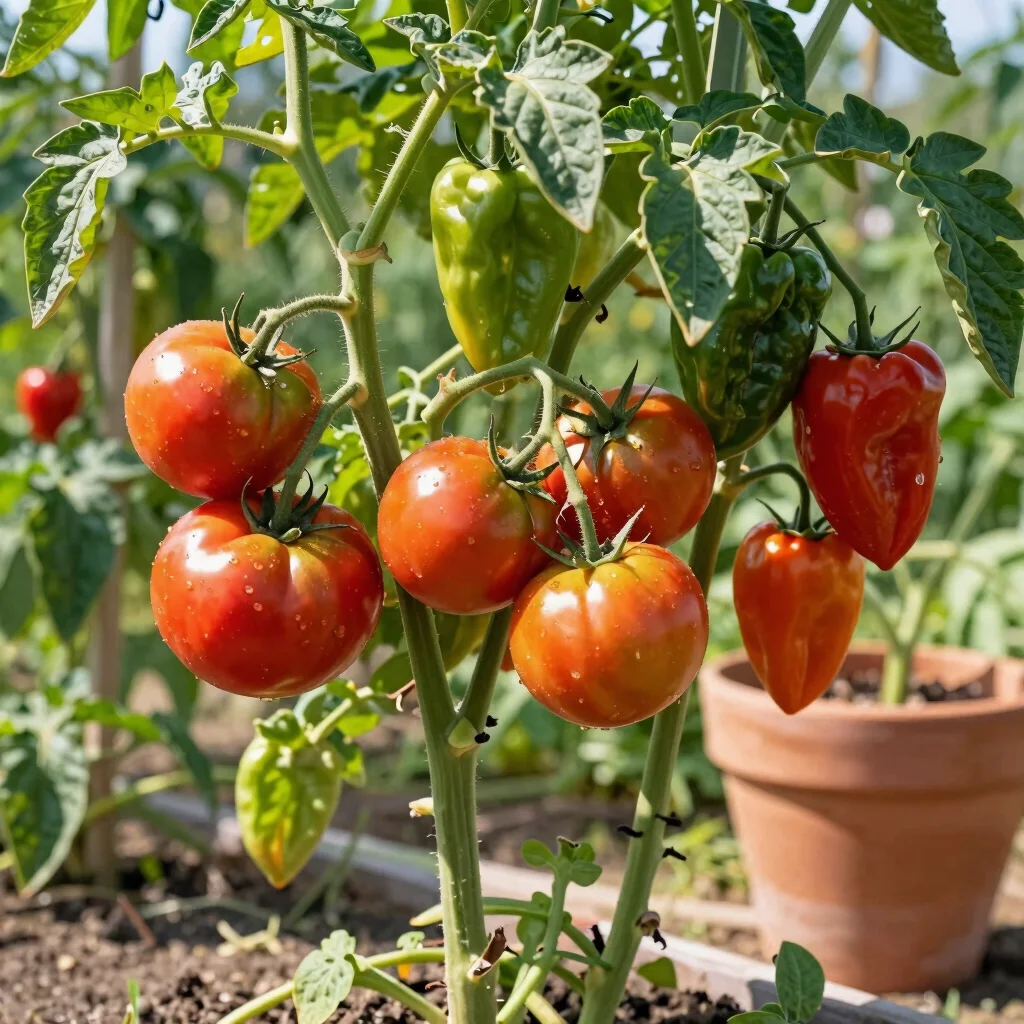
Achieving maximum flavor in tomatoes, eggplants, and peppers requires a steady balance between moisture distribution and harvest timing. When soil moisture fluctuates wildly during peak summer heat, fruit skin cracks and essential sugar concentration drops. Establishing a deliberate soil-to-table watering pattern ensures that roots remain cool while sun-warmed foliage stays completely dry.
Establishing Deep Watering Schedules for Peak Heat
Shallow overhead sprinkling encourages surface root development and leaf blight. Instead, apply drip irrigation or direct hose soaking near the base of each plant early in the morning. Delivering two deep soakings per week encourages roots to dig down into cooler, nutrient-rich subsoil layers.
Applying a three-inch layer of straw or wood chip mulch around the base insulates the soil against rapid evaporation. This organic barrier maintains steady humidity levels around the root zone, preventing blossom end rot and keeping nitrogen levels balanced.
Identifying Ideal Sun Exposure and Picking Signals
Harvesting at peak maturity requires reading subtle physiological shifts rather than relying on color alone. True harvest timing occurs when fruit yields slightly to soft thumb pressure near the stem shoulder, signaling optimal sugar conversion. Harvesting during late afternoon warmth yields fruit at its highest nutrient density and peak aromatics.
Immediate Post-Harvest Handling in the Kitchen
Never place fresh tomatoes directly into cold storage, as temperatures below fifty-five degrees Fahrenheit permanently alter aromatic compounds. Set freshly picked solanaceae crops stem-side down on a breathable linen cloth at room temperature to complete their full flavor potential before kitchen prep.